From Zero to Hired: A Month-by-Month Skills Roadmap for Breaking Into IT Without a Degree
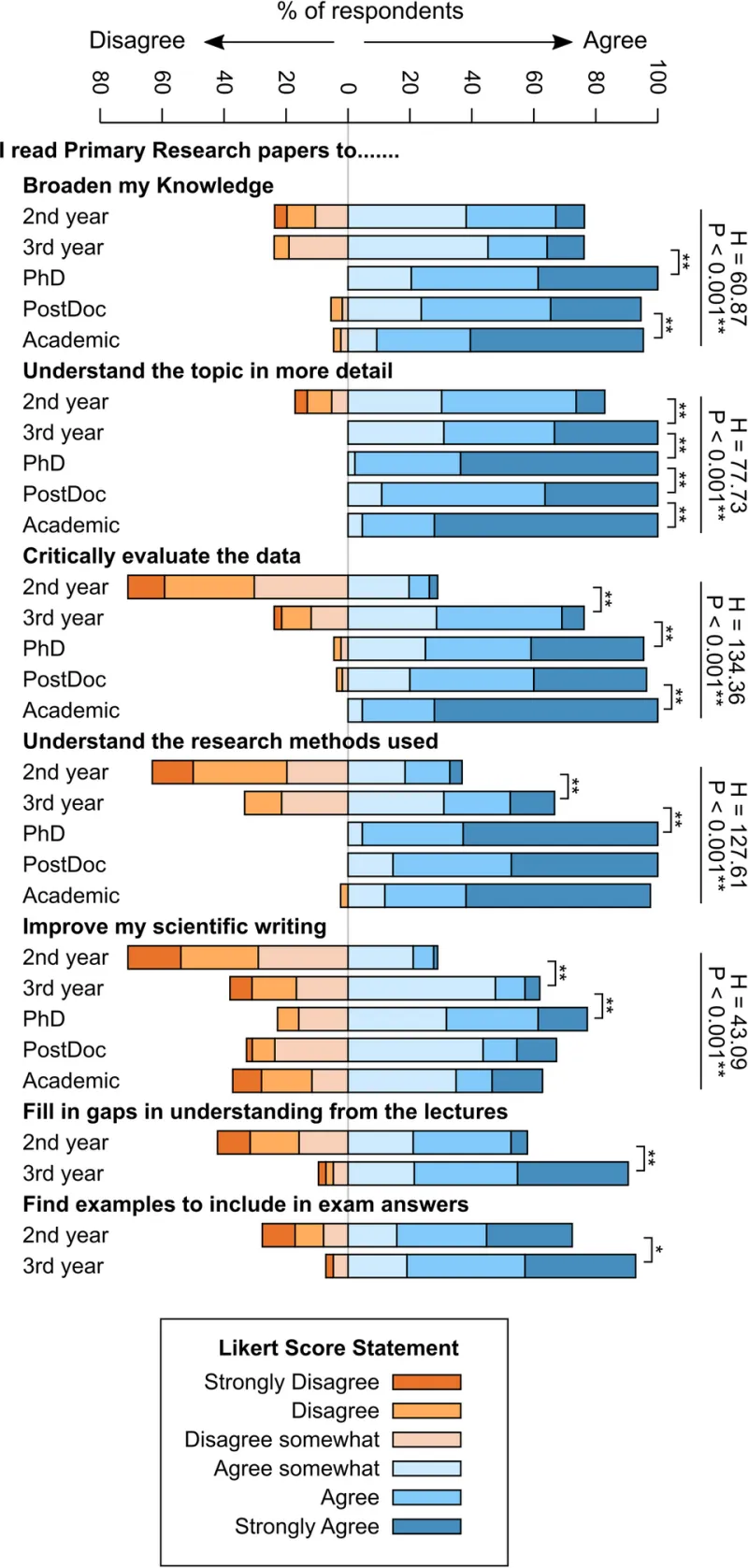
Photo: Authors of the study: Katharine E. Hubbard, Sonja D. Dunbar, CC BY 4.0, via Wikimedia Commons
Roughly two-thirds of US IT job postings no longer strictly require a four-year degree, according to recent hiring trend analyses. What employers screen for instead is demonstrable capability: can you troubleshoot, document, communicate, and learn on your feet? That shift has opened the field to career changers — former retail managers, veterans, warehouse supervisors, administrative professionals — who approach the transition strategically.
What follows is a twelve-month roadmap built around what hiring managers across US markets consistently say they want from candidates without degrees: proof of practical skill, evidence of persistence, and clear communication.
Months 1–3: Build the Foundation
Start with core IT fundamentals — how operating systems work, basic networking concepts (DNS, DHCP, IP addressing), and command-line comfort. Free and low-cost resources abound: Professor Messer's video series, Google's IT Support Professional Certificate on Coursera, and community college continuing education courses.
Set up a home lab. An old laptop or a modest mini-PC running Linux will teach you more than passive video consumption ever will. Break things deliberately, then fix them.
Milestone: CompTIA IT Fundamentals (or skip straight to A+ core material if you progress quickly).
Months 4–6: Choose a Lane and Certify
By now you should have a feel for what draws you. Three lanes offer the strongest entry-level demand in the US market:
- Help desk / desktop support: CompTIA A+, then start applying immediately.
- Networking: CompTIA Network+ plus hands-on router and switch labs.
- Security: CompTIA Security+ — especially valuable if you're within commuting distance of federal, defense, or healthcare employers.
Don't wait for perfection. Hiring managers repeatedly note that candidates who apply at the six-month mark with one certification and a genuine home lab outperform candidates who wait a year to feel "ready."
Months 7–9: Build a Portfolio That Speaks for You
This is where self-taught candidates separate themselves. A portfolio doesn't need to be glamorous — it needs to be real. Strong examples include:
- A documented home lab with a write-up of a problem you solved
- A simple automation script (Python or PowerShell) that saves a repetitive task
- A GitHub repository with a readable README explaining what you built and why
- A short blog or LinkedIn article series documenting your learning journey
One hiring manager at a mid-sized MSP in North Carolina put it plainly: "A resume tells me what someone claims. A README with screenshots tells me what they've actually done."
Months 10–12: Package, Apply, and Interview
Presenting Self-Taught Skills on a Resume
- Lead with a skills section grouped by domain (Networking, Operating Systems, Security, Scripting) rather than burying them in prose.
- Frame projects in outcome language: "Automated weekly log review with a Python script, reducing manual effort by several hours monthly."
- List certifications prominently near the top; they carry extra weight when no degree is present.
- If you have prior work history in another field, translate it: scheduling, inventory systems, customer de-escalation, and process documentation are all transferable IT competencies.
Optimizing LinkedIn
Update your headline to reflect the target role, not your past one — "IT Support Specialist | CompTIA A+ & Security+ | Home Lab Builder" outperforms a generic title. Post occasionally about your lab projects; recruiters searching entry-level IT keywords do find candidates this way.
Interview Preparation
Expect scenario-based questions: a user can't print, a machine won't boot, a ticket queue is backing up. Practice thinking aloud. Enthusiasm and honest reasoning impress interviewers more than memorized answers — and they directly address the biggest unspoken concern about degree-less candidates: can this person communicate with end users?
The Honest Caveats
A degree still accelerates advancement into management and remains a hard requirement at some large enterprises and government agencies. The first role may pay modestly — help desk positions in much of the US start between $40,000 and $55,000. But the ladder climbs quickly: with two to three years of experience plus targeted certifications, six-figure roles in cloud, security, and infrastructure are realistically attainable.
What the roadmap demands isn't genius. It's consistency — a few focused hours a week, a lab you actually use, and the discipline to apply for jobs before you feel qualified. Thousands of career changers have walked this exact path into US IT departments. The door is open; the roadmap above is how you walk through it.