Six Months After the Cuts: Tracing the Layoff-to-Classroom Pipeline
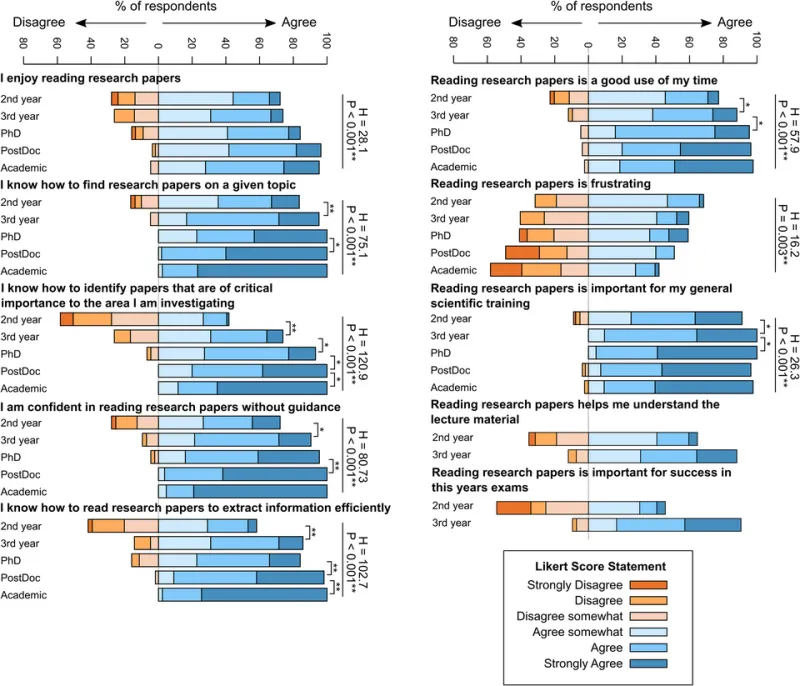
Photo: Authors of the study: Katharine E. Hubbard, Sonja D. Dunbar, CC BY 4.0, via Wikimedia Commons
The announcement lands on a Tuesday morning. Six weeks later, severance checks arrive. And roughly six months after that, testing centers, online proctoring queues, and bootcamp rosters swell with a very specific kind of student: the displaced professional converting a one-time payout into a technology career.
It is a pattern so reliable that training providers quietly plan around it. When a major retailer, bank, or tech firm announces a large reduction in force, enrollment analysts can predict the ripple with reasonable accuracy. The question worth asking is not whether the wave arrives, but what it does to everyone caught inside it.
The Anatomy of a Cohort
Layoff-driven career changers share telling characteristics. They tend to be older than the typical certification candidate, often in their late thirties to fifties. They arrive with transferable soft skills — project coordination, client communication, process documentation — but limited technical portfolios. And crucially, they make similar choices at similar times.
The result is a cohort effect. When a few thousand people in the same region pursue the same entry-level path, they converge on the same credentials: CompTIA A+, Network+, and Security+, with a Cloud certification trailing close behind. Within eighteen months, a local job market can contain hundreds of candidates presenting nearly identical certification profiles.
What the Surge Does to the System
The effects surface in predictable places. Exam scheduling tightens first — Pearson VUE testing windows in mid-sized metros fill weeks out during peak enrollment periods, pushing candidates toward online proctoring with its own friction points. Bootcamp pricing follows demand; sales representatives become noticeably less flexible on discounts when enrollment funnels are full.
The more consequential shift happens at the hiring stage. Entry-level help desk and support roles in affected markets attract applicant pools two or three times their normal size. Hiring managers, facing stacks of interchangeable credentials, begin weighting factors the certifications cannot capture: home labs, documented projects, volunteer IT work, and demonstrable troubleshooting narratives.
Standing Apart When Everyone Holds the Same Three Exams
For members of a layoff cohort, differentiation is less about accumulating additional certifications and more about building evidence around them. Several approaches consistently separate candidates:
- Build a visible portfolio. A documented home lab, a GitHub repository with configuration scripts, or a write-up of a network you designed and troubleshoot signals initiative that a badge cannot.
- Target adjacent experience. Former operations managers should emphasize process automation; former customer service leads should highlight escalation handling. Domain knowledge from a prior career is an asset, not baggage.
- Geography as strategy. Remote-first roles face national competition, but regional healthcare systems, school districts, and municipal IT departments often value local candidates and hire on different timelines.
- Timing the market. The deepest competition arrives twelve to eighteen months after a layoff event, when the full cohort completes training. Entering the job search earlier — even with one certification in hand — can mean facing a thinner field.
A Word on Expectations
None of this argues against the career change itself. Technology remains one of the few fields where a mid-career pivot is achievable without a four-year degree, and layoff cohorts frequently produce unusually committed professionals — people who chose the field deliberately rather than stumbled into it.
But the wave is real, and pretending it isn't serves no one. The candidates who navigate it successfully treat certification as a starting point rather than a finish line, and they understand that in a crowded market, the credential gets the résumé read while everything around it gets the interview scheduled. Plan accordingly.