From Basement to Backend: Turning Self-Hosted Projects Into Resume Gold
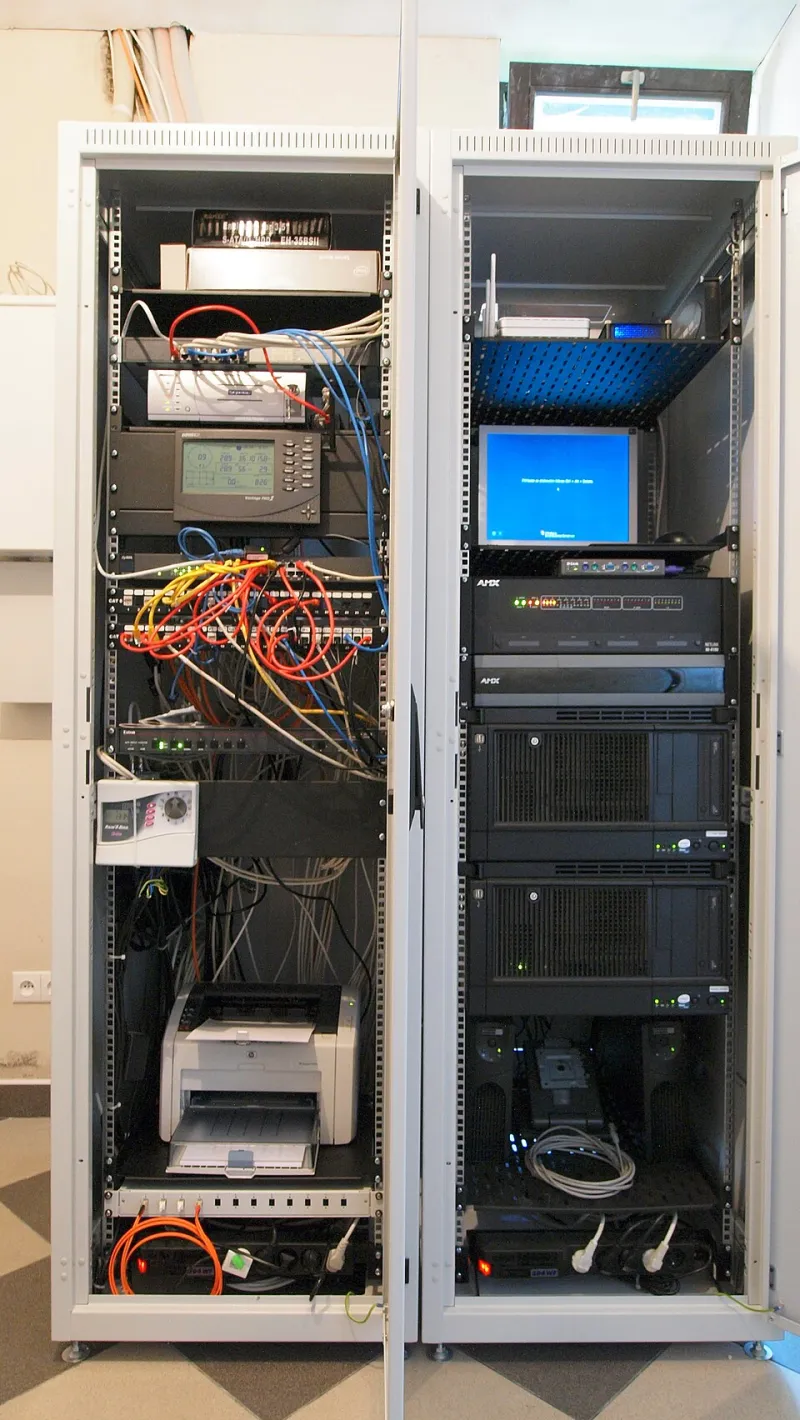
Photo: Jan Prucha, CC BY-SA 3.0, via Wikimedia Commons
Somewhere in a suburban garage in Ohio, a sysadmin-in-training is running Proxmox on repurposed enterprise hardware, hosting a media server for the neighborhood, and learning more about networking than any multiple-choice exam could measure. On paper, that person lists 'CompTIA A+ — in progress.' In practice, they already do the work.
The problem is translation. Most self-taught technologists undersell hands-on experience because they assume unpaid, self-directed work doesn't belong on a professional resume. Hiring managers disagree. What they struggle to find is evidence that a candidate has actually configured, broken, and repaired real systems — and a well-documented home lab is exactly that evidence, provided it's framed correctly.
Why Practice Exams Underperform on Paper
Exam scores demonstrate preparation. They do not demonstrate operation. A hiring manager reading 'Scored 890 on the Network+ exam' learns that a candidate studied well. Reading 'Designed and deployed a segmented home network with VLANs, a pfSense firewall, and remote-access VPN supporting 15 devices' learns that the candidate builds networks.
This distinction matters more in 2025 than it did five years ago. Live troubleshooting interviews and practical assessments have become common across help desk, sysadmin, and cloud roles precisely because credentials alone proved unreliable. Recruiters have adjusted their filters accordingly. The phrase 'home lab' — those two words — signals initiative, curiosity, and hands-on competence in a way a percentile score never will.
The Translation Framework: Task, Tool, Outcome
Hobbyist experience fails on resumes when it's described as a hobby. It succeeds when it's described as an accomplishment. The reliable formula has three parts:
- Task — what you built or solved
- Tool — the named technologies involved
- Outcome — a number, a result, or a measurable improvement
Compare the difference:
Before: 'Tinker with servers and Linux at home.'
After: 'Deployed and maintain a five-node Kubernetes cluster on repurposed hardware, reducing service downtime from weekly interruptions to near-zero availability gaps over six months.'
Before: 'Set up Plex for my family.'
After: 'Architected a self-hosted media and file-sharing environment serving 12 household users, including automated backups and remote access via reverse proxy with TLS encryption.'
The second versions use active verbs — deployed, architected, automated, configured, migrated, hardened, monitored — and they name the tools that applicant tracking systems are scanning for. 'Plex' means little to a recruiter; 'reverse proxy with TLS' means a great deal to a hiring manager.
Where Volunteer Work Fits In
Home labs carry one weakness: they serve no external users. Community tech work closes that gap. A candidate who maintains the website for a local church, coaches a senior center through device setup, or manages the scoreboard system for a youth sports league has production experience with real stakeholders, real deadlines, and real consequences.
Frame these roles with the same discipline. 'Volunteered as IT support for a 501(c)(3) nonprofit' becomes stronger as 'Administered WordPress site and Microsoft 365 tenant for a nonprofit serving 300 families, migrating email from legacy hosting and cutting monthly software costs by 40%.' Volunteer experience belongs in a dedicated section — it demonstrates both skill and character, and US hiring managers consistently respond to it.
Structural Placement Matters
Where this material appears on the resume determines whether anyone reads it. Three placements work:
- A 'Projects' section beneath the work experience, with three to five entries following the Task-Tool-Outcome format. This is the standard approach and works for most applicants.
- A 'Technical Experience' section positioned above work history, for career changers whose lab and volunteer work is more relevant than their paid employment. A former retail manager moving into IT should lead with the lab, not the register.
- Integration into the professional summary, so the top three lines of the resume mention hands-on infrastructure work before any exam or job title.
Whatever the placement, keep a public record. A GitHub repository with documentation, a simple blog describing build decisions, or even a well-maintained README turns claims into verifiable proof. A resume line that links to evidence is categorically stronger than one that doesn't.
The Metrics That Don't Exist — and How to Find Them
Home lab builders often freeze at the 'outcome' step because nothing they run has a dashboard measuring business impact. Approximate honestly. Count the devices served, the hours of downtime avoided, the number of automated processes, the gigabytes backed up nightly, the cost reduction from self-hosting versus a commercial subscription. 'Automated nightly backups of 2 TB across three machines' is a true statement that requires no business context to impress.
The Bottom Line
Certifications remain valuable — they clear HR filters and establish baseline knowledge, and GIIT SKSA's certification guides exist for good reason. But the credential opens the door; the demonstrated practice walks through it. A candidate who pairs one relevant certification with two or three sharply written project lines outperforms a candidate holding four credentials and no evidence of touch on a keyboard.
The hardware is already humming in the basement. The only missing component is the sentence structure that lets a hiring manager see it.