Week One on the Help Desk: What the Exam Never Covered

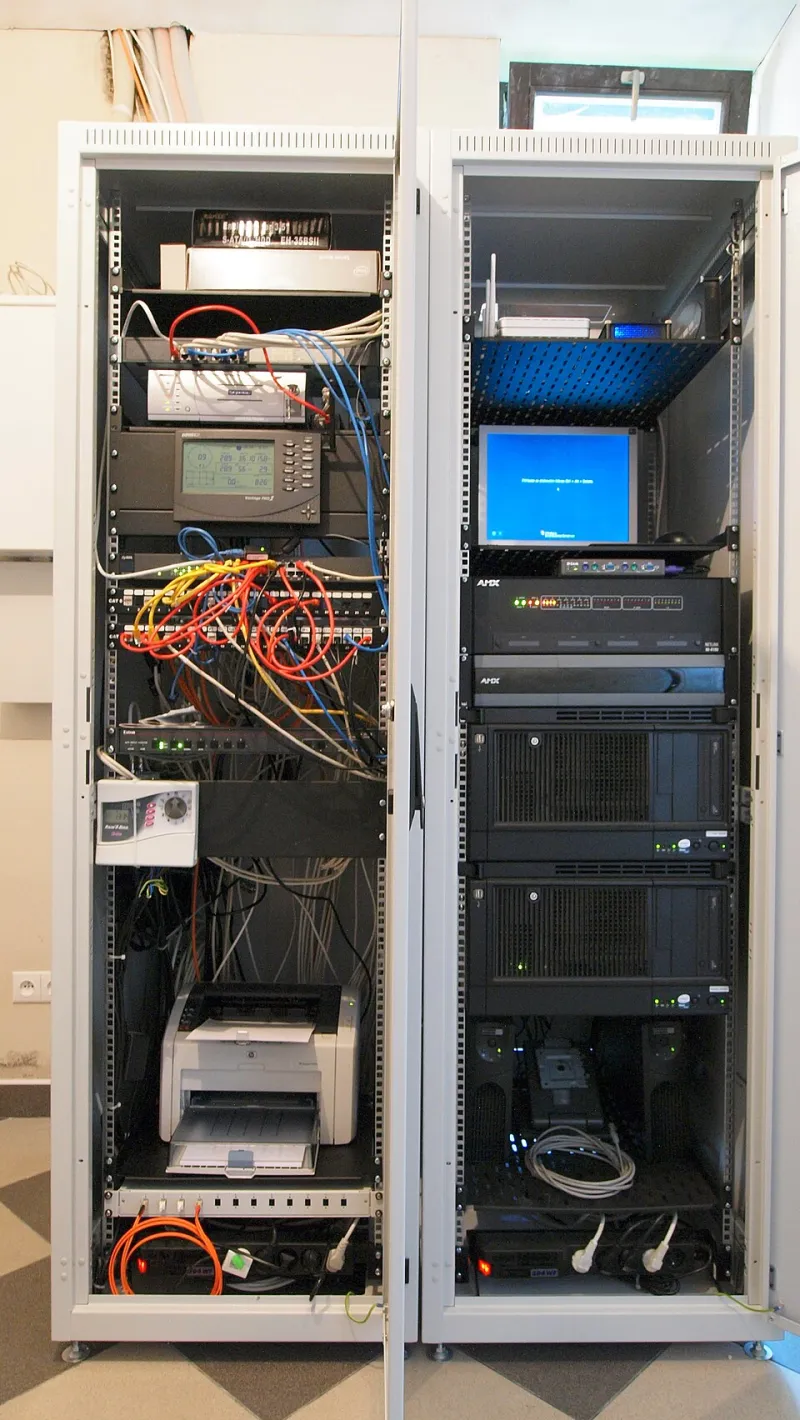
Photo: U.S. Air Force photo by Jason Minto, Public domain, via Wikimedia Commons
The offer letter arrives, the badge is printed, and then Monday morning happens. Within hours, many newly certified technicians discover that the credential on their resume and the work on their screen are only loosely acquainted. To understand just how wide that gap runs, GIIT SKSA spoke with help desk managers across three US regions and a half-dozen technicians in their first ninety days on the job. Their accounts reveal a pattern worth examining before you schedule your next exam.
What the Syllabus Says vs. What the Ticket Says
A typical entry-level certification exam covers hardware troubleshooting, networking fundamentals, security basics, and operational procedures — a curriculum that is, on paper, a reasonable portrait of the job. The problem, managers told us, is one of proportion and texture.
"The exam asks a candidate to identify a failed DIMM from a list of symptoms," said one service desk manager at a mid-sized healthcare provider in Ohio. "The ticket asks them to sit with a nurse who is frustrated, restart a printer queue, and explain why it took twenty minutes — without making it sound like twenty wasted minutes."
That second skill — de-escalation, plain-language translation, expectation management — appears nowhere on a domain list, yet every manager we interviewed ranked it among the top three predictors of a successful first year.
Where the Cert Does Prepare You
To be fair, the disconnect is not total. Several exam domains map cleanly to week-one reality:
- Hardware and device troubleshooting. Replacing a failed drive, reseating RAM, or diagnosing a dead power supply happens constantly, and exam prep genuinely helps here.
- Networking fundamentals. Understanding IP addressing, DNS, and DHCP pays off the moment a user says "the internet is down" and you can actually triage whether it is.
- Security hygiene. Recognizing phishing attempts and following least-privilege principles are drilled well by modern exam objectives.
Technicians consistently told us these foundations made them feel competent during their first escalations. The training was not wasted — it was simply incomplete.
Where the Gaps Show Up
The omissions cluster around three areas:
Enterprise tooling. Exams test concepts; workplaces run on specific platforms. New hires reported spending their first weeks learning ticketing systems like ServiceNow, remote access tools, and Active Directory consoles — none of which appeared in their study materials in usable form.
**Documentation and process. "Nobody warned me that half my job would be writing tickets that other people could read," one first-year technician in Georgia told us. Clear written communication, ticket hygiene, and knowledge-base updates consume hours every day.
Organizational navigation. Knowing who to escalate to, when to stop troubleshooting on your own, and how to communicate a delay to an impatient user — these judgment calls are learned on the floor, not from flashcards.
The First-Week Readiness Checklist
Based on our interviews, here is what managers wish every certified candidate had practiced before day one:
- Spin up a free ticketing demo or trial account and log practice tickets, including a clear problem statement and resolution summary.
- Tour Active Directory or a similar directory service in a home lab, even at a basic level — password resets and account unlocks dominate entry-level queues.
- Practice the thirty-second explanation. Take a technical concept and rehearse describing it to a non-technical friend until it lands.
- Learn your future employer's stack. Read the job posting carefully, then spend an evening on free tutorials for the specific tools listed.
- Build an escalation habit. Know your limits in advance: three documented attempts, then hand it up. Managers respect this far more than heroic guesswork.
The Bottom Line
A certification remains the most efficient gate into the industry — it signals commitment and covers the conceptual floor. But hiring managers are increasingly explicit that the credential gets you the interview, while readiness for week one comes from the unglamorous practice around it. Treat the exam as the foundation, not the finish line, and your first Monday will feel far less like a pop quiz you never studied for.